
Bridge Funding That Accelerates Growth
Flexible Mezzanine Capital Between Debt and Equity, Fueling Growth Without Full Control Dilution.
Prime Opportunities
Legacy Through Precision
Red Leaf Investments offers mezzanine financing for sophisticated investors seeking higher returns than senior debt with less risk than pure equity. Mezzanine sits between first-lien debt and common equity in the capital stack, providing a hybrid structure that combines elements of both.
If you want upside participation without taking full development risk, or you need returns that senior debt can't deliver, mezzanine gives you the best of both worlds.
What is Mezzanine Financing?
Mezzanine financing is subordinated debt that sits below senior debt but above equity in the capital structure. It typically includes both a fixed interest component and equity participation through warrants, profit splits, or conversion rights.
Position in Capital Stack
Mezzanine investors get paid after senior debt is satisfied but before equity holders receive distributions. In exchange for taking subordinated risk, mezzanine investors receive higher interest rates and participate in upside through equity kickers.
How Mezzanine Works at Red Leaf Investments
We use mezzanine financing to bridge the gap between conservative senior debt and the equity capital needed to execute our development plans. This allows us to preserve sponsor equity while delivering attractive, risk-adjusted returns to investors.
Current Pay Interest: 10-12% annually paid in cash
PIK Interest
3-5% payment-in-kind (accrued and paid at maturity)
Terms
24-36 months with extension options
Equity Kicker
Warrants for 5-15% equity ownership or participation in profits above certain hurdles
Security
Second lien position on the property, subordinated to senior debt.
Why Invest in Mezzanine
Higher Returns Than Senior Debt
Mezzanine typically targets 15-20% total returns (cash interest + PIK + equity kicker), significantly higher than the 8-10% returns on senior debt positions.
Better Protection Than Equity
You have a secured position (even if subordinated) and get paid before equity holders. If the project underperforms, you still collect interest and have security backing your investment.
Upside Participation
Through warrants or profit participation, you benefit if the development exceeds base case projections. If we sell for 2x what we projected, you participate in that upside.
Current Income
Unlike pure equity, mezzanine pays current cash interest (typically 10-12% annually). You're not waiting years for a liquidity event to see returns.
Flexible Terms
Mezzanine structures can be customized based on investor preferences and project needs. Want more current pay and less equity kicker? We can structure that. Prefer PIK interest and more upside? That works too.
Ideal Mezzanine Use Cases
Bridge to Next Phase Financing
We use mezzanine to fund planning, entitlement, and preliminary infrastructure when senior debt won't cover the full capital needed. Once entitlements are approved and infrastructure is in place, we refinance with traditional construction debt and repay mezzanine investors.
Property Acquisition with Light Development
For acquisitions where we plan light development (minimal infrastructure, basic planning) before selling to a master developer, mezzanine financing provides the capital to acquire and position the asset with minimal equity requirements.
Mezzanine is ideal for Accredited Investors Who:
- Want returns higher than senior debt but with more protection than equity
- Appreciate current cash income plus upside participation
- Understand subordinated debt structures and accept moderate risk
- Have longer investment horizons (24-36 months typical)
- Can commit $250K-$500K+ (minimums vary by opportunity)
- Value creative structures tailored to specific deal dynamics
Current Investment Highlights
Invest In Brazos Riverfront Opportunity
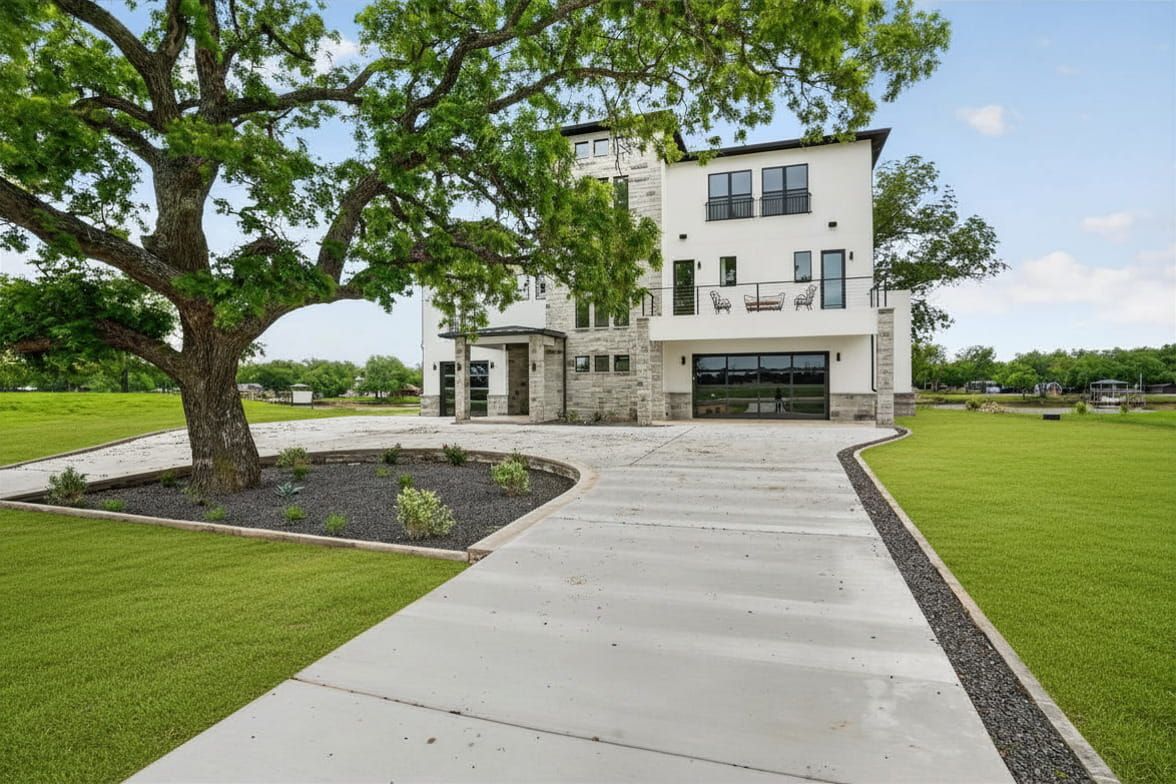
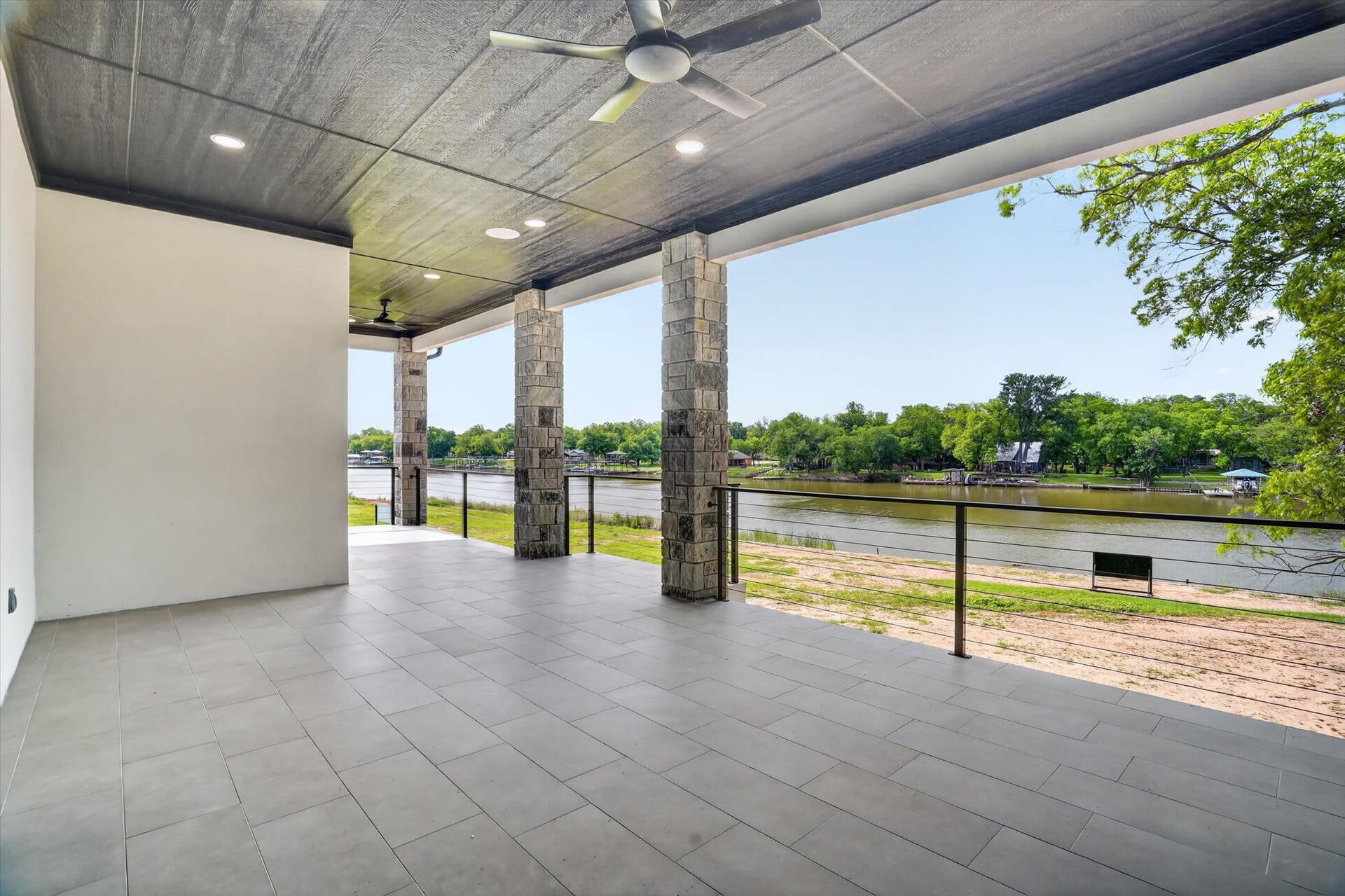
RLI’s flagship Brazos Riverfront holding comprises approximately 275 acres with one mile of boatable Brazos River frontage in Parker County, Texas, planned as a premium master‑planned community. The property’s scale, water access, and proximity to major DFW growth corridors create a rare opportunity for long‑term value creation.
- Approx. 275 acres in a North Texas growth corridor
- One mile of Brazos River frontage with exceptional recreation and lifestyle appeal
- Multi‑phase development strategy designed for builders, residents, and investors seeking Tier‑1 communities



Important Disclosures
Red Leaf Investments, LLC does not provide tax, legal, or accounting advice. Consult your professional advisors before making investment decisions. This information is for educational purposes only and does not constitute an offer to sell or a solicitation to buy securities. Detailed offering documents will be provided to qualified investors. Past performance does not guarantee future results. Projected returns are targets only and may not be achieved.
Stay informed on new opportunities, development milestones, and market insights from the Red Leaf Investments team.
News & Insight
Contact Us
We will get back to you as soon as possible.
Please try again later.
FAQ's
-
Why would I choose mezzanine instead of just doing equity?
Mezzanine gives you priority over equity in the capital stack, so you get paid after senior debt but before common equity, with contractually owed interest and repayment terms rather than waiting for profits. Equity is last in line but captures unlimited upside if the project outperforms. Choose mezz when you want more predictable returns and less downside risk; it’s debt-like protection with a higher yield to compensate. Our structures keep it straightforward and aligned with execution—documents define the exact priority and terms.
-
What happens to my mezzanine position if senior debt forecloses?
If senior debt forecloses, your mezzanine position typically takes a hit because it’s secured by an equity pledge in the borrower entity, not a direct lien on the property. The senior lender’s foreclosure (or deed-in-lieu) can leave you holding equity in a shell with no asset, wiping out economic value even if the debt still exists.
Your main protection is the intercreditor agreement, which usually gives you notice, a cure period for certain defaults, and often a right to buy out the senior loan before they foreclose. If you don’t exercise those rights in time, the senior position prevails. We structure these protections clearly upfront—documents and the intercreditor control what happens in that scenario.
Your protection is almost entirely driven by the intercreditor agreement: it commonly gives the mezz lender notice plus a right to cure certain senior-loan defaults and/or a right to purchase the senior loan before the senior foreclosure happens. If you don’t (or can’t) exercise those rights in time, the senior foreclosure can proceed and your mezz position is typically wiped out economically even if the mezz loan still exists as a claim.
-
Can I convert my mezzanine debt into equity if the project is doing really well?
Yes, but only if the deal documents include an equity kicker like warrants or explicit conversion rights from the start—standard mezzanine debt doesn’t flip to equity just because performance is strong. Conversion is your option at triggers like a sale or refinance, based on a predefined ratio or percentage, trading debt priority for equity upside. Our structures spell this out clearly upfront so you know exactly when and how it works.
The trade-off is that converting generally means giving up your debt-like priority for equity-like upside, so you’d be stepping down the stack in exchange for more participation in the win. Also, if there’s senior debt, the intercreditor and loan covenants can limit transfers or changes in ownership, so even “allowed” conversion can still require meeting conditions and getting the right approvals.
-
How do you determine the equity kicker percentage?
The equity kicker percentage is usually set by working backward from the mezz lender’s target all-in return and then sizing the kicker to fill the gap after you’ve priced the “debt” parts (cash coupon, PIK, fees, OID). In practice, if you can pay a higher cash coupon, you typically need fewer warrants (smaller kicker), and if the coupon is lower or cash flow is tight, the kicker grows to get the lender to the same target return.
What the final percentage lands on is mostly a negotiation driven by risk and upside: higher leverage, thinner cushion, weaker collateral package, or more execution risk generally pushes the kicker up, while a safer deal pushes it down. When the kicker is structured as warrants for a percentage of equity, common ranges are often in the low single digits (for example, 1%–5%), but it can be higher depending on the situation and structure. The clean way to sanity-check it is to model your base-case and upside exit values and confirm that the kicker plus interest gets the mezz lender to their required IRR without giving away more equity participation than you intended.
-
Is mezzanine safer than preferred equity?
Mezzanine is generally safer than preferred equity because it’s structured as debt with contractually owed interest and stronger creditor remedies, sitting ahead of all equity in the capital stack. Preferred equity lacks that repayment obligation and relies more on negotiated governance rights, making it more vulnerable in distress. We keep it straightforward in our deals—mezz gets priority and defined economics, while equity waits for profits. Your documents and intercreditor agreement spell out the exact protections.
-
What's the typical hold period for mezzanine?
Mezzanine typically has a hold period of 2–5 years, matching the loan term with a bullet maturity at the end (often interest-only until payoff via refinance or sale). We align it with the senior debt timeline and project execution, so it’s medium-term capital built for deals that need speed without long-term lockup. Your loan documents set the exact maturity and any extensions.